
Cancer’s super-enhancers may set the map for DNA breaks and repair: A key clue to why tumours become aggressive and genetically unstable
22 January 2026

Supporting oncology professionals through education
The content on this site is intended for healthcare professionals only
The content on this site is intended for healthcare professionals only
Cancer’s super-enhancers may set the map for DNA breaks and repair: A key clue to why tumours become aggressive and genetically unstable

Oral bacterium may promote breast cancer development and spread

Scientists uncover hidden cells fuelling brain cancer — and a drug that could stop them

Sniffing out cancer: Trained dogs can detect hemangiosarcoma by scent

To fight cancer, scientists customise cellular protein

Targeted therapy shows promise against aggressive brain tumours, trial finds

Plasma-guided mitotane for the treatment of adrenocortical carcinoma: adjuvant care to advanced disease

Ageing, smoking, oral bacteria and genetic mutations linked to higher stomach cancer risk
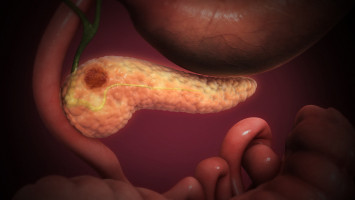
Reversing immune suppression in pancreatic cancer could lead to novel therapies

Simulations could make antibody medicines easier to inject

Lung cancer death rates among women in Europe are finally levelling off

Immune-targeting vaccine shows promise intercepting cancer in patients with Lynch Syndrome